Shared Ownership
Manage
my Shared
Ownership home
Explore everything you need to know about Shared Ownership homes: whether you’re a current or prospective homeowner.
Eligibility requirements
Eligibility criteria for Shared Ownership:
- Aged 18 or over.
- Usually first-time buyers. (If you own another property, either in the UK or abroad, you must be in the process of selling it to qualify.)
- Your financial situation should prevent you from buying a suitable property on the open market.
- You must have a good financial track record with no rent or mortgage arrears.
- A positive credit history is essential. Ie: no bankruptcy in the last 6 years, no unsatisfied County Court Judgements (CCJs), and being up-to-date with tenancy or mortgage payments.
- Your annual income must not exceed £80,000 (or £90,000 in London).
- If you plan to purchase with someone else, your combined income must remain within the specified limit.
- You’ll need a deposit, usually between 5-10% of the equity share you intend to purchase.
To assess your affordability, we’ll connect you with an independent financial advisor as part of your application process.
How to report a defect
During the first 12 months following the construction of your property, any defects related to the construction process will be addressed by the developer. During this period, please report any issues to Pinnacle Direct (a third party management agency) using the information below:
Phone: 0203 701 3575
Email: PPHA@pinnaclegroup.co.uk
Pinnacle Direct will coordinate with the developer to arrange visits and resolve any problems.
NOTE: the defect period begins when PPHA purchases the home from the developer, not when you move in.
After the defect period, the responsibility for repairs and maintenance within your home lies with you.
If you reside in a freehold block, PPHA is responsible for exterior repairs and has insurance to cover them. Should you need repairs to the exterior of your home in a block, please contact us straight away.

Examples
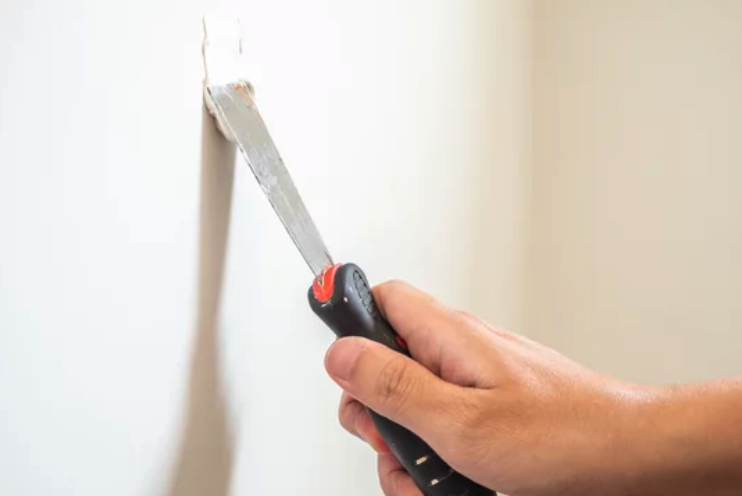
Sometimes, what might appear to be a defect is the responsibility of the leaseholder. Examples are marks to the paintwork, light cracking as a result of a new property drying out, internal redecoration, ongoing maintenance of the garden and any boundary walls or fencing.
Appliances
The appliances in your home, such as the oven, are subject to a warranty period. Any faults during this period will be handled directly by the manufacturer. If you encounter any issues, please reach out to the manufacturer for assistance.
Further information can be found in your Home User Guide.
Home Improvements
Under your lease, you are required to obtain PPHA’s consent to carry out any alterations or improvements to your home. As a Shared Owner, you are responsible for all costs relating to the installation, maintenance, fixing, and replacement. Any work should be carried out by a competent and reputable company.
For any permissions, please contact us at info@ppha.uk
Please note: certain works may invalidate your defect warranty with the Developer. We will discuss this with you, to ensure you are informed.
Rent and
Service charges
PPHA sets rents in compliance with the law and the Regulator of Social Housing’s Rent Standard and Guidance. Service charges are set, based on the costs of delivering the services and include elements such as management costs, estate charges, the costs of cleaning and maintaining communal areas, heating and lighting in communal areas, carrying out repairs and maintenance and health, safety and compliance requirements.
PPHA will ensure that all customers are advised clearly at the start of their tenancy or lease regarding the rent charge and details of any service charges that apply.
PPHA will ensure that any change to the rent and service charges are clearly communicated, ensuring that proper notice is provided in line with all statutory, regulatory and contractual obligations.
Calculating Shared Ownership rents – Shared Owners’ rents and service charges
For Shared Ownership properties, PPHA follows the Shared Ownership and Stair-casing Policy:
- For newly built Shared Ownership properties, the initial sale sets the annual rent at 2.75% (or another specified percentage) of the unsold equity value. As Shared Owners acquire more equity, the rent proportionately decreases to reflect the remaining unsold equity.
- When customers purchase an existing property for Shared Ownership (DIYSO or DIY Shared Ownership), the rent aligns with the percentage specified in the lease, which may exceed 2.75%.
- When setting rents, PPHA considers overall affordability, including total mortgage, rent, and service charge expenses. Rent and service charge calculations adhere to the RSH’s standards and lease terms.
- Annual rent increases are typically limited to the Retail Price Index (RPI) plus 0.5%, using the RPI figure from annual publications. For the year beginning April 3, 2023, rent increases have been capped at 7%, in line with the government’s November Budget statement.
- Rent to Buy properties may experience increases of up to CPI plus 1%, except for the year commencing April 3, 2023, where the cap is set at 7%.
How to make a
complaint and how
to report ASB
PPHA is committed to tackling anti-social behaviour, recognising its potential impact on the lives of our customers and the communities we serve. Anti-social behaviour may include violent or abusive behaviour, harassment, threats, failing to control pets, public drunkenness, vandalism, graffiti, prostitution, noise nuisance, domestic violence, illegal drug use, criminal behaviour, littering, and inappropriate use and storage of motor vehicles.
We will exercise professional judgment in assessing reports of ASB and will offer mediation, signpost to other agencies, or liaise with partner agencies when necessary.
Please ensure you or any visitors to your home do not cause a nuisance or annoyance to your neighbours in accordance with the requirements of your lease. If you do experience anti-social behaviour dependent on the nature of the issue, please contact environmental health if it is a noise nuisance, the Police if a crime has been committed.
Contact us
Staircasing
Staircasing is the process of increasing your ownership share in your Shared Ownership home over time. You can usually staircase in stages by purchasing additional shares when it suits you and when you can afford to do so.
Key things to know about staircasing
- The cost of each additional share is based on the current market value, determined by an independent RICS‑qualified valuation
- Your rent reduces as your ownership share increases.
- You’ll need to pay associated costs when Staircasing, such as RICS valuation fees, legal fees, and any mortgage fees if applicable.
- Your lease outlines the minimum share you can buy at each stage. For many leases this is typically 5% or 10%, while some newer leases may allow 1% annual staircasing for the first 15 years.
- If your lease allows for 1% staircasing, the process can be different to standard staircasing. The value of each 1% share is based on the original property value adjusted by the House Price Index (HPI), unless the leaseholder chooses to obtain a RICS valuation instead. In addition, the 1% process is designed to be lower‑cost, with no requirement to appoint solicitors, although leaseholders may do so if they wish.
- Some homes may have restrictions — for example, properties in Designated Protected Areas may cap staircasing at 80%. If this is applicable to your home, it would be detailed within your lease.
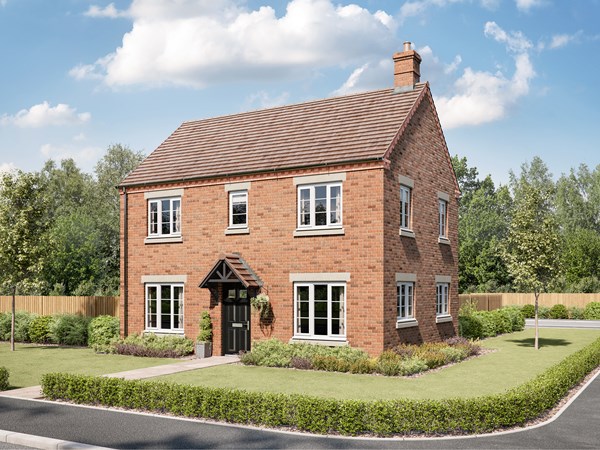
Staircasing to 100%
Staircasing to 100%
Once you staircase to 100% ownership, you will own your home outright.
- If your home is a house: you may become the freeholder (unless your lease or planning conditions state otherwise).
- If your home is a flat: you will hold the full lease and continue to pay service charges.
- You will no longer pay rent, but service charges and estate charges (if applicable) will still apply.
- You will be responsible for your own building insurance unless your block arrangement requires the freeholder/landlord to insure the building.
If you are interested in staircasing or require any further information, we are happy to help. Please reach out to Staircasing@ppha.uk.
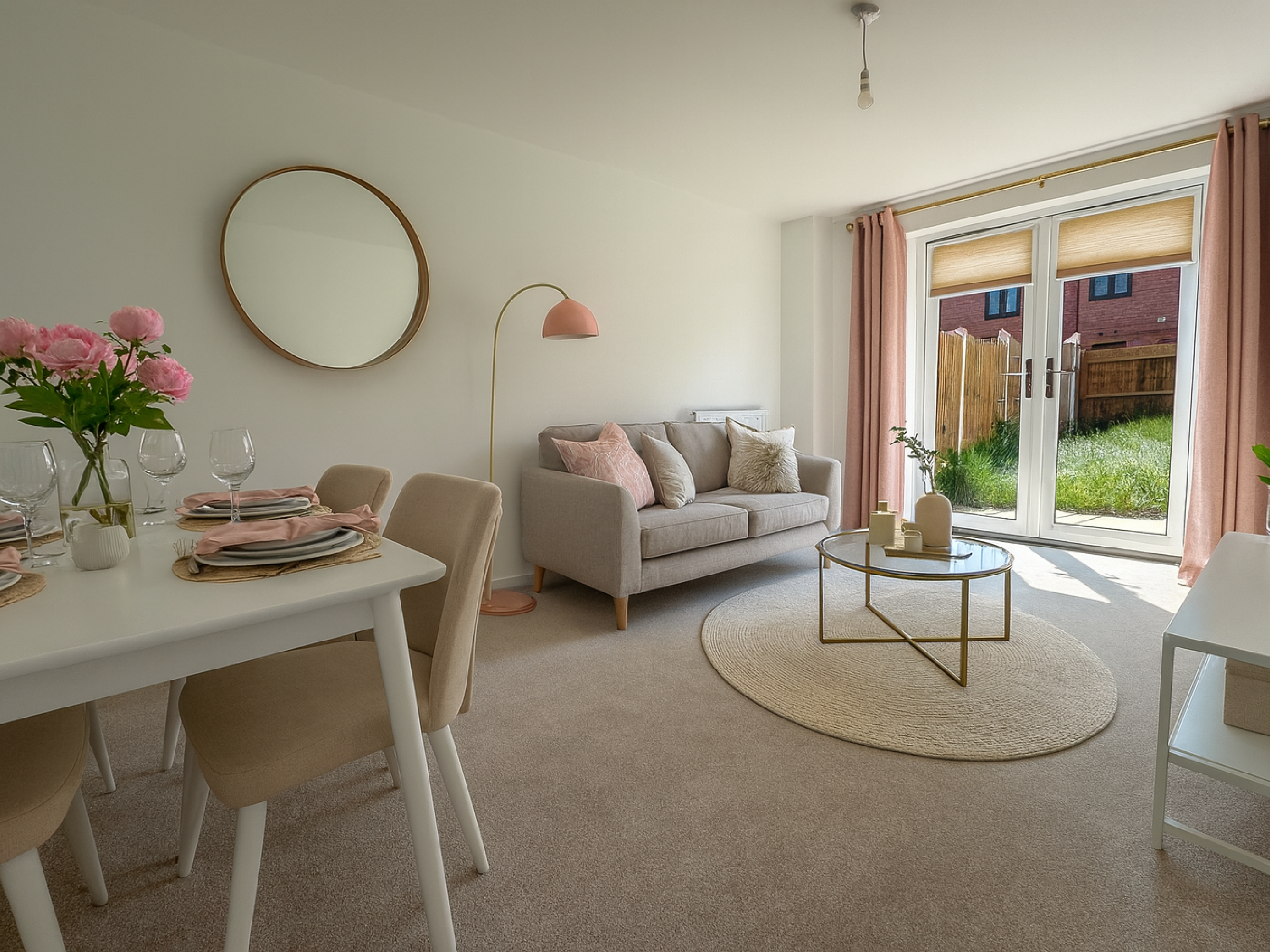
Selling Your Shared Ownership Home (Resales)
If you decide to sell your Shared Ownership home, you must follow the resale process set out in your lease. This process is different from selling a home on the open market.
Key things to know about Shared Ownership resales
- Nomination period:
Your lease will usually give PPHA a nomination period during which we — or our appointed resale/nomination agent — will try to find an eligible buyer. During this time, the full resale and marketing process will be explained to you. - RICS valuation:
The sale price must be based on an independent RICS valuation, which you must instruct. This valuation determines the full market value and therefore the value of your share. Our resale agent has a recommended panel of surveyors you may use if you wish. Once the valuation is completed, it must be approved by both the leaseholder and the landlord. - Marketing your home:
Once agency terms and all compliance documentation are completed, the property will be marketed across a range of channels. The resale agent will manage the entire process, including:
– arranging buyer financial assessments
– coordinating enquiries
– organising viewings
– progressing the sale once a buyer is found - After the nomination period:
If a buyer is not found during the nomination period, you may be able to sell your share on the open market, depending on the terms of your lease. - Lease restrictions:
In some cases, restrictions such as Designated Protected Area status, rural repurchase, or Section 106 conditions may affect how resales proceed.
If you are looking to sell your Shared Ownership home or have any additional queries about the process, please contact us at Resales@ppha.uk.
Customer Survey
We value your feedback! At PPHA, we’re committed to understanding and improving the customer experience. Please take a moment to complete our short survey by clicking the link below. Your insights are greatly appreciated and will help us enhance the services we provide!
Survey